
Most pest control owners already know they should be posting online. The hard part is finding time to do it after a full day of routes, callbacks, and quotes. So the company page sits quiet for three weeks, gets one rushed post, then goes quiet again. That pattern does almost nothing, and it’s the reason a lot of owners decide social media doesn’t work for pest control.
It does work. It just rewards companies that keep showing up, and showing up week after week is harder than it sounds. This guide covers what to post, how often, and which platforms earn your attention. At the end I’ll be straight about the part nobody enjoys, which is keeping it going.
Why social media pays off for a pest control company
Pest control is local, trust-based, and visual, which is exactly the kind of business these platforms reward.
People hire the company they recognize. When a homeowner finds a wasp nest under their deck on a Saturday afternoon, they call the name they’ve been seeing in their feed for the last two months. Familiarity wins the call before the phone even rings.
The work also photographs beautifully. A mud tube climbing a foundation. A yellow jacket nest the size of a basketball. A roach-infested kitchen before and after your tech is done with it. Other industries pay to manufacture content like this. You walk past it on every job.
Pests also run on a calendar. Termites swarm in spring. Mosquitoes peak through summer. Rodents head indoors when the nights get cold. That rhythm hands you a content schedule for free, so you’re never staring at a blank screen wondering what to say this week.
What to post, with examples you can copy
You don’t have to be clever. Useful and steady is what gets results. Here are the post types that perform for pest control companies.
Before and after. The strongest performer by a wide margin. Show the nest, the damage, or the infestation, then the clean result.
Found this hornet nest tucked into a customer’s soffit over in Maple Grove yesterday. Forty minutes later it was gone and the family had their backyard back. They get aggressive this time of year, so please don’t try to knock one down on your own. Give us a call.
Pest of the season. Teach people what to watch for right now.
Seeing pencil-width mud tubes on your foundation this spring? Those are termite highways. A colony can chew through structural wood for years before you notice the damage. Here’s a 20-second check you can do this weekend.
Quick ID guides. “Wolf spider or brown recluse, how to tell the difference.” People save these and send them to family, which spreads your name for you.
Team and behind the scenes. A tech gearing up, the truck loaded for the day, a quick hello from the crew. Homeowners are about to let one of your people into their house, and seeing a real face first makes that an easy yes.
Customer reviews. Screenshot a five-star Google review and add a short thank you. Other people’s words sell better than your own.
FAQ answers. “Is the treatment safe for my dog?” “How long until the ants are actually gone?” Answer the questions you field on every call. Pet-safety posts in particular get strong engagement, so give them their own slot.
Local and community. Sponsoring a little league team, a booth at the county fair, a heads-up about a rodent spike in a specific neighborhood. This tells people you’re part of the area and not a faceless chain dispatching trucks from three states away.
What gets saved and shared
Here’s where most pest control companies go wrong. They treat their page like a bulletin board for promotions, or they post the rawest, most stomach-turning photos from the job. Both choices quietly cap how far your content travels.
Social platforms grow your audience mainly through saves and shares. When someone saves a post to look at later or sends it to a friend, the algorithm treats that as a signal worth spreading and shows your content to more people for free. Likes feel good, but saves and shares are the actions that actually grow a page.
Nobody saves a close-up of a maggot-filled trash can, and nobody shares an ad. A photo that makes the average person wince gets scrolled past in a heartbeat, and it can leave a bad taste that sticks to your brand. The companies that grow are the ones posting pest content that’s genuinely good to look at and worth keeping. A clean, well-shot ID guide. A striking before and after framed so it informs without disgusting. A seasonal tip people want to send to their group chat.
Aim for content a homeowner is glad to have in their feed even on a day they don’t have a pest problem. That’s what earns the save, the share, and eventually the call.
Carousels are the format built for exactly this. A strong hook slide stops the scroll, and each slide after it gives one more reason to keep swiping and to save the whole thing for later. Here’s one of ours, start to finish:
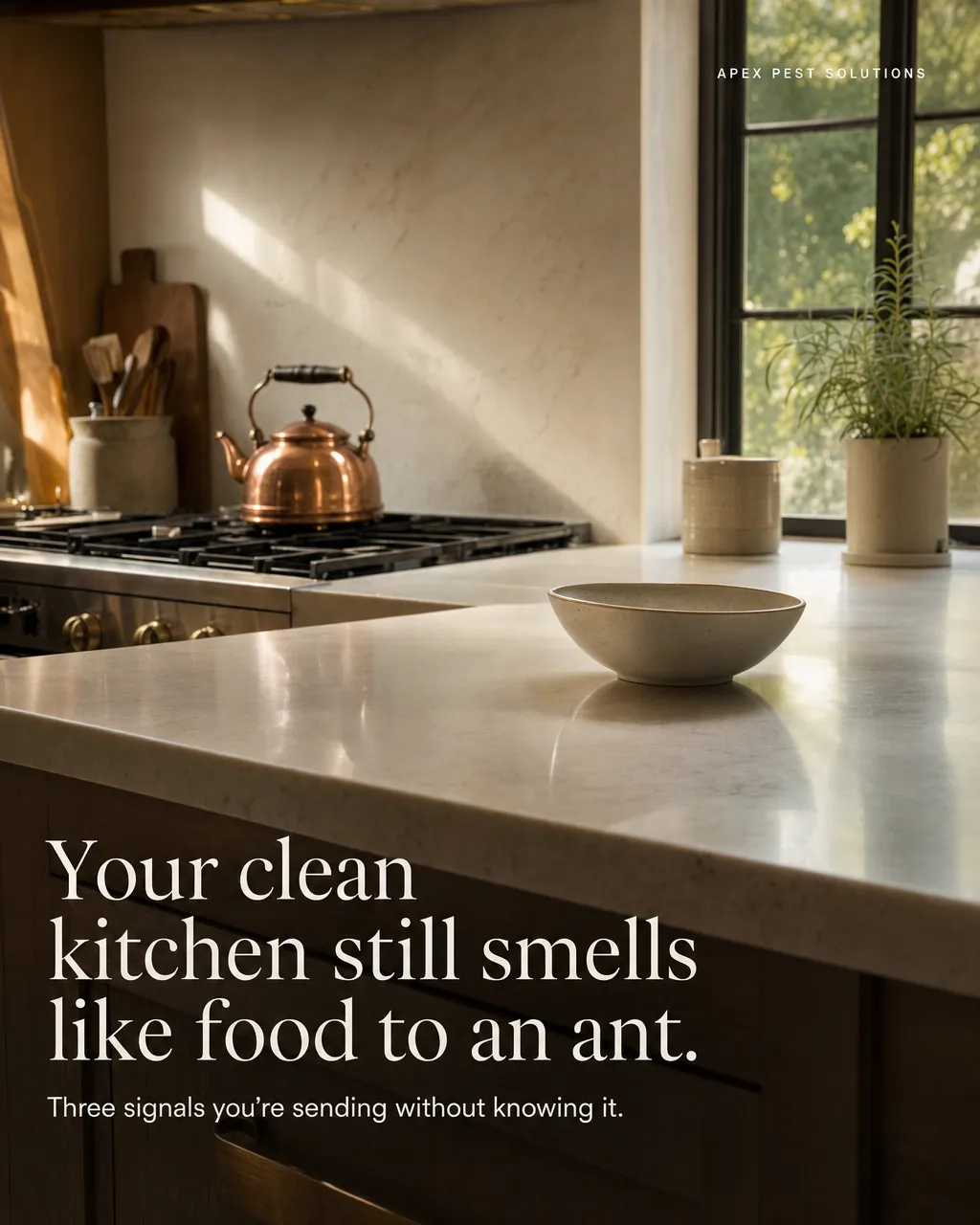 The hook slide. Its only job is to stop the scroll and earn the first swipe.
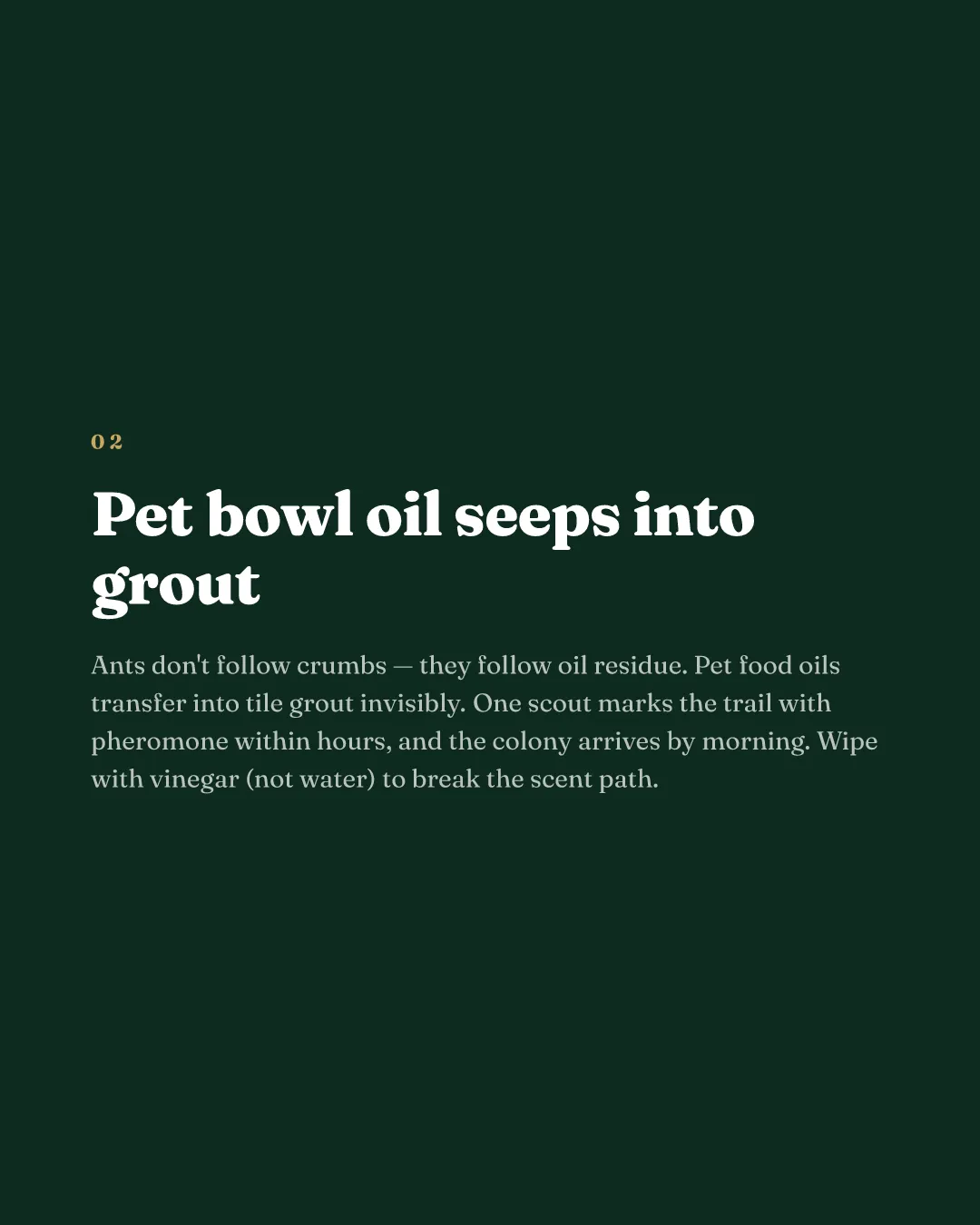 Each inner slide teaches one specific, genuinely useful thing.
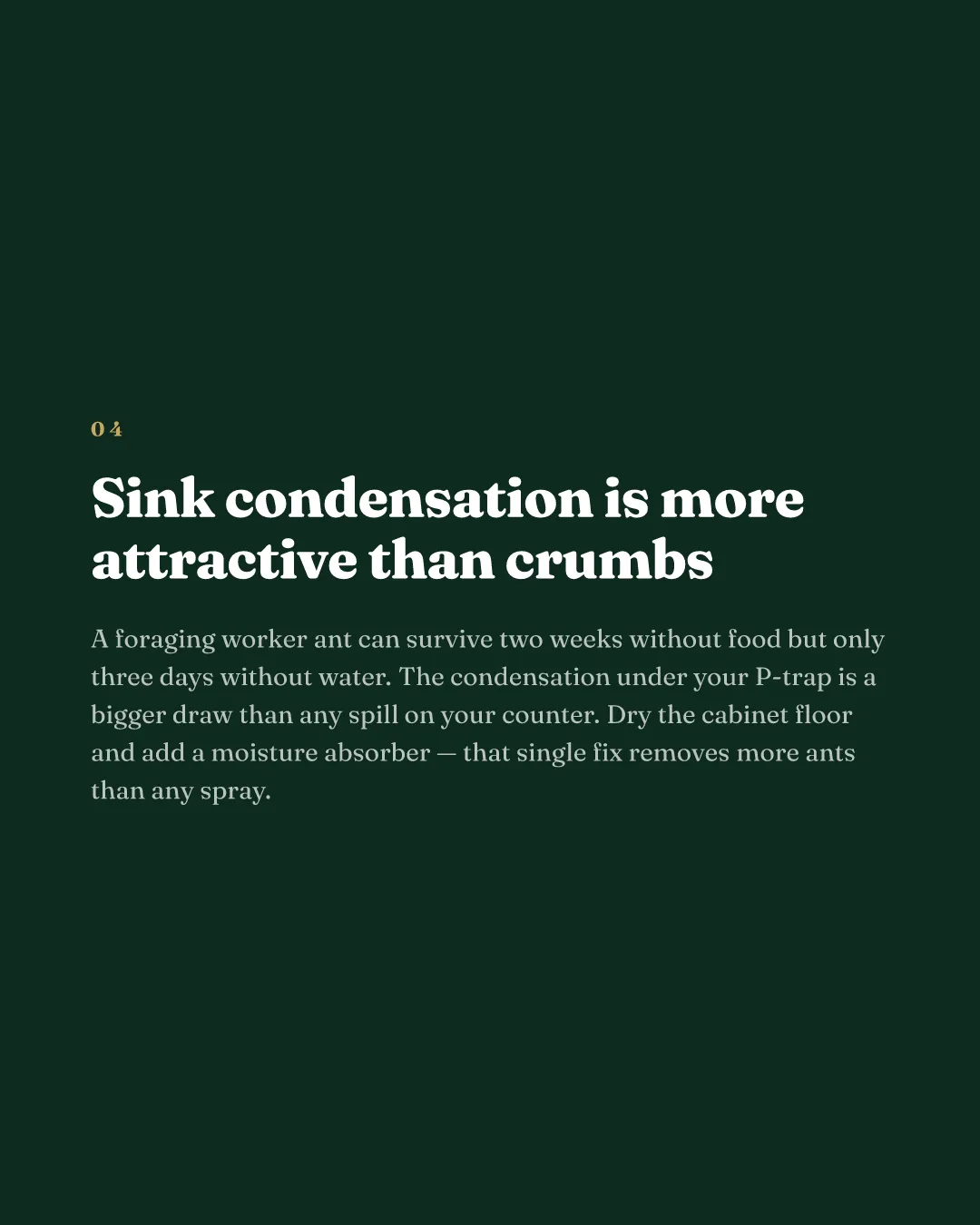 By a few slides in, they’ve learned something worth keeping, so they save it. That save is what grows the page.
How often, realistically
Steady beats heavy. Four to six posts a week keeps you visible without taking over your evenings. If that feels like too much, commit to three good posts a week, every week, and you’ll already be ahead of nearly every competitor in your market. Most of them post twice in January and disappear.
Watch out for the burst. Ten posts in a single afternoon followed by a month of silence reads as a company that isn’t really active. A slower, steady drip is what builds the familiarity that turns into calls.
The platforms worth your time
You don’t need to be everywhere. For pest control, three platforms carry the weight.
Facebook is where your customers already are, especially homeowners in their late thirties and up. Local groups and neighborhood pages are the best place for word of mouth you’ll find anywhere.
Instagram is built for the visual side of the job. Nest removals, before and afters, and short clips do well, and the audience skews a bit younger, which helps you reach newer homeowners.
Google Business Profile is the one most owners skip, and that’s the opportunity. Posting there feeds the exact spot people look when they search “pest control near me,” and it supports your local ranking at the same time. Google keeps pulling more of your social and profile activity into local search results, so staying active is starting to do double duty. The same posts that make you look established also help you show up when someone nearby goes looking. You get found and you build trust from one piece of work.
NextDoor deserves a look if your service area is suburban, since a neighbor’s recommendation there carries real weight.
The honest part
Everything above works, and none of it is complicated. The reason it falls apart for most pest control companies comes down to time. You’re running routes, returning callbacks, quoting jobs, managing techs, and chasing down invoices. “Write four good posts a week with photos, captions, and the right local angle, and never stop” is a real job stacked on top of the one you already have. Around July, when the phone won’t quit, the posting is the first thing to go.
That’s the gap The Pest Post was built to fill.

A done-for-you option
The Pest Post handles the posting so it’s off your plate. We produce a steady stream of pest-control-specific content, written for your company and your service area, and we keep your pages active week after week. Seasonal pest posts, before and afters, FAQ answers, review highlights, all of it on a schedule, done for you.
The difference is in how it looks. Every post we make is magazine quality, designed to be genuinely nice to look at while it teaches the viewer something useful. That’s the content people save and share, which is exactly how a page grows. We make pest control look good, which is harder than it sounds and rarer than it should be.
It goes past posting, though, and this is the part that protects your revenue. We also handle the responses. When someone comments “do you treat for fleas?” or sends a DM at 8pm on a Sunday, they get a fast, professional reply instead of silence. That’s where pest control leads quietly disappear, sitting unread in a message folder nobody had time to open, while the customer calls the next company on the list. We answer the comments, reply to the DMs, and respond to your reviews, so the people raising their hand actually become jobs. Staying responsive keeps your pages looking active and cared for, which is a big part of why a homeowner trusts a local company enough to let them in the door.
You stay visible in your customers’ feeds. You skip writing captions at 9pm. And when that wasp nest shows up on someone’s deck this summer, yours is the name they already trust enough to call.
If you want to see what consistent, professional content looks like for your pest control business, take a look at what The Pest Post can do.